How Many Photos for a Passport: Grooming and Biometric Standards
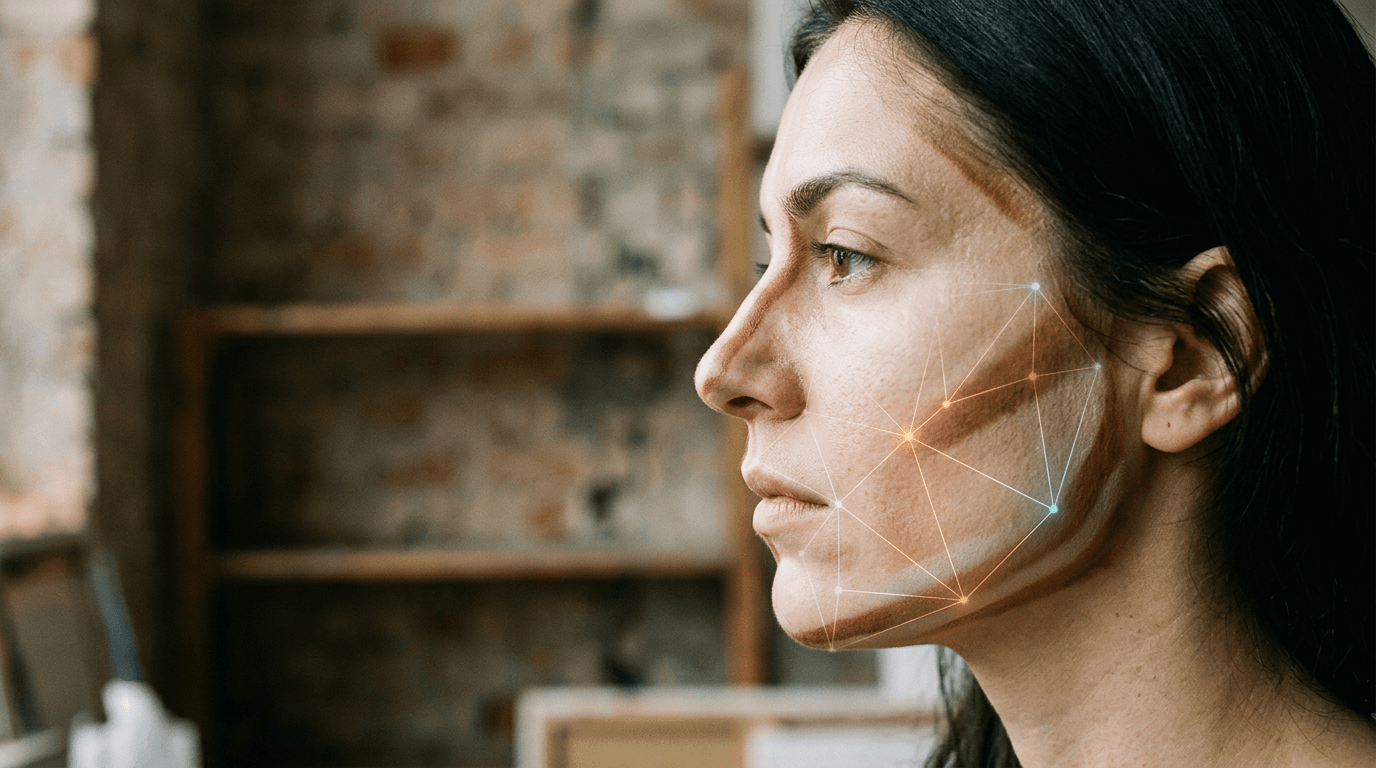
A biometric algorithm maps a human face using 80 nodal points, measuring the distance between the eyes, the width of the nose, and the depth of the eye sockets. When a traveler applies heavy contouring or dramatic eyeliner, those measurements shift, leading to immediate rejection at the processing center. Applicants frequently wonder exactly quante foto per passaporto they must submit, but the quantity matters less than the strict biometric compliance of the image itself. Preparing a foto passaporto italiano, or any other international travel document, requires treating the camera not as a portrait photographer, but as a scanning machine looking for structural geometry.
Quick Summary
Biometric passport photos require grooming and beauty choices that leave your natural facial landmarks fully visible and measurable by automated systems. Altering your skin tone, obscuring your jawline, or introducing artificial glare will cause a document rejection.
- Heavy contouring alters structural shadows, leading to biometric failure.
- Matte finish makeup is required to prevent sensor glare.
- Hair must be tucked behind the ears to expose the jawline and cheekbones.
- False eyelashes disrupt iris scanning measurements.
- Neutral lip colors prevent software from misreading mouth dimensions.
Table of Contents
- 1. Foundation and Contouring Break Facial Recognition Systems
- 2. Reflective Skincare Products Create False Glare Zones
- 3. Heavy Eye Makeup Alters Iris Alignment Measurements
- 4. Bangs and Volume Obscure Critical Facial Landmarks
- 5. Unnatural Lip Color Triggers Mouth Shape Discrepancies
- 6. Visible Piercings Interfere With Depth Calibration
- 7. Facial Hair Changes Must Match Your Travel Appearance
- Matching Your Grooming to Your Document Needs
- FAQ
- Recommended Reads
1. Foundation and Contouring Break Facial Recognition Systems
Contouring is designed to create the illusion of different bone structure by artificially darkening the hollows of the cheeks and highlighting the high points. For a standard portrait, this enhances facial symmetry. For a biometric scanner, it is digital sabotage.
The software used by border control agencies measures the distance from the tip of the nose to the chin, and the precise width of the jaw. When you paint shadows onto your face, the camera interprets those shadows as actual physical depth. This creates a digital model of a face that you do not actually have.
Heavy application obscures structural depth
If the AI algorithm detects shadows that conflict with the natural lighting environment, it flags the photo for manual review or outright rejection. People who use heavy bronzer or contouring will find that their physical face does not match the biometric chip when scanned at an e-gate. Skip the contouring entirely. Use a light, sheer foundation that matches your actual skin tone exactly. If you are preparing images and want to check specific country rules, consult a Baby Passport Photo Requirements by Country - 100+ Guides reference to ensure your family's documents meet global standards.
Practical rule: If a makeup technique is designed to change the shape of your face, it will cause a biometric passport photo to fail.
2. Reflective Skincare Products Create False Glare Zones
Sunscreen, facial oils, and dewy setting sprays are popular for everyday skincare, but they present a massive problem for flash photography in a passport context.

Biometric cameras require even lighting across the entire face with zero hot spots. A hot spot is a bright reflection of the camera flash bouncing off a shiny surface on the skin, typically the forehead, nose, or cheekbones.
Dewy finishes trigger automated rejection
When the algorithm attempts to map a face, a hot spot reads as a missing data zone. The software cannot determine the texture or shape of the skin underneath the glare. This is a primary reason for automated photo rejection. You must wash your face and apply a matte moisturizer before taking your photo. If you have naturally oily skin, use blotting papers or a light dusting of translucent matte powder right before the shutter clicks. Those navigating the specific requirements for different regions can refer to the United States Baby Passport Photo Guide for strict glare restrictions.
3. Heavy Eye Makeup Alters Iris Alignment Measurements
The distance between the pupils is the most critical measurement in biometric facial recognition. Anything that draws artificial boundaries around the eyes can cause the system to miscalculate this distance.
Thick eyeliner, dramatic eyeshadow, and especially false eyelashes physically block the camera's clear view of the eyelid margin and the corners of the eyes.
Eyeliner and extensions blur eye boundaries
False eyelashes cast a shadow downward over the sclera (the white of the eye) and the iris. This shadow tricks the scanning software into thinking the eye is smaller or shaped differently than it is. Strip lashes and heavy mascara must be avoided. The eye must appear exactly as it does on a normal day when you are exhausted at a border checkpoint. Keep eye makeup to a bare minimum: no winged eyeliner, no dark smoky eyes, and absolutely no artificial lashes.
4. Bangs and Volume Obscure Critical Facial Landmarks
Hair cannot cover any part of the face. This sounds simple, but modern hairstyles frequently rely on face-framing layers or bangs that fall across the eyebrows.
The facial recognition system must see the distinct edges of your face to measure its total width and height. If hair covers the sides of your cheeks, the software cannot locate your cheekbones. If bangs cover your eyebrows, the software loses the orbital bone reference point.
Hair placement blocks cheekbone mapping
You must pull all hair back and tuck it firmly behind your ears. The ears themselves do not always strictly need to be visible depending on the specific country's rules, but the jawline connecting to the ear absolutely must be clear. If you have a fringe or bangs, pin them back with flat bobby pins that blend into your hair color. For detailed breakdowns of varying international standards, the United Kingdom Baby Passport Photo Guide highlights how strictly hair placement is enforced.
5. Unnatural Lip Color Triggers Mouth Shape Discrepancies
Lipstick alters the contrast ratio between your lips and your surrounding skin. A dark or excessively bright lip color creates a hard, artificial line that the biometric software reads as the permanent boundary of your mouth.
If you wear a dark red or black lipstick in your photo, and travel without it, the scanner may read a discrepancy in mouth size and width.
High contrast distorts lip recognition
Lip gloss creates reflective glare, much like oily skin, causing white spots on the image data. Skip the gloss and avoid heavily pigmented lipstick. If you must wear something to prevent your lips from looking washed out, choose a matte shade that exactly matches your natural lip color. The goal is to define the mouth gently without artificially expanding or darkening its borders.
6. Visible Piercings Interfere With Depth Calibration
Facial piercings present a mechanical problem for facial mapping software. Large rings, reflective studs, or bridge piercings introduce foreign objects into the landscape of the face.
The algorithm is expecting skin, shadow, and bone. When it hits a highly reflective piece of titanium on the nose or eyebrow, it registers an anomaly.
Metal reflects flash into the camera lens
While some countries allow small, non-reflective facial jewelry if it does not cover a primary landmark, the safest approach is to remove all piercings. A large septum ring can obscure the philtrum (the space between the nose and upper lip), which is a measured biometric point. Remove the jewelry for the 60 seconds it takes to capture the image. It removes the risk of a manual secondary inspection at the border.
Practical rule: If a piece of jewelry casts a shadow onto your skin under direct lighting, it is too large for a biometric document photo.
7. Facial Hair Changes Must Match Your Travel Appearance
Beards and mustaches are perfectly acceptable in biometric photos, provided they reflect how you will actually look when you travel.
However, facial hair fundamentally alters the visible outline of the jaw and chin. If you take a passport photo with a full, bushy beard, the biometric scanner locks in that wider jaw profile.
Significant beard growth alters jaw mapping
If you shave your beard entirely before your trip, the automated e-gates may fail to recognize you, forcing you into the manual processing line. Conversely, if you are clean-shaven in your photo but travel with a massive beard, the scanner cannot find your chin. Maintain the facial hair style you realistically keep for the majority of the year. If you are photographing dependents, the Australia Baby Passport Photo Guide offers insights into managing changing facial features over time.
Matching Your Grooming to Your Document Needs
Your choices depend entirely on your tolerance for border delays. If you want the fastest possible transit through automated e-gates, strip back your grooming routine to the bare minimum: matte skin, visible ears, no makeup, and no reflective jewelry.
If you insist on wearing makeup, stick strictly to sheer coverage and natural tones. Those applying for highly strict documents, such as international visas, should err completely on the side of caution and submit a completely raw, well-lit image of their natural face.
FAQ
Can I wear lip gloss in my biometric photo?
No. Lip gloss creates a reflective hot spot under camera flashes, which prevents the automated software from mapping the exact shape and boundaries of your mouth.
Do I need to take out my nose ring for my passport picture?
It is highly recommended. While some authorities tolerate very small, matte studs, reflective metal causes glare, and rings can cast shadows that interfere with the algorithm's depth measurements.
Will my photo be rejected if my hair covers my ears?
While ear visibility rules vary by country, your jawline and cheekbones must be completely clear. Tucking your hair behind your ears is the only guaranteed way to expose these necessary facial landmarks.