Tutto sulle fototessere passaporto: Guida aggiornata 2026
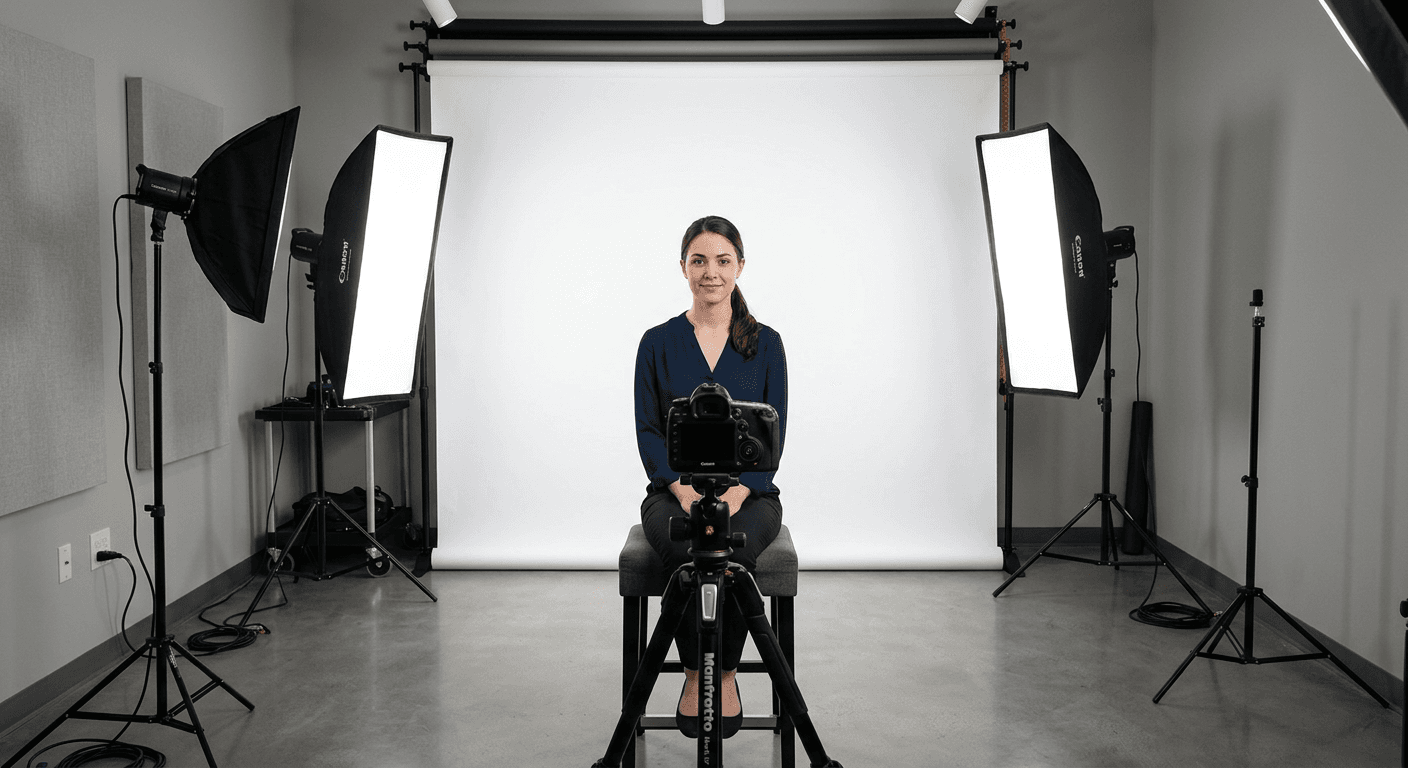
Obtaining compliant fototessere passaporto requires strict adherence to international biometric standards designed to facilitate automated recognition. As we move into 2026, identity verification systems are increasingly reliant on high-quality digital imagery, making the precision of your photo passaporto a critical factor in preventing travel delays or administrative rejections.
Quick Summary {#quick-summary}
Fototessere passaporto are standardized identification images that must meet specific dimensions, lighting, and composition requirements defined by global aviation and security authorities. A valid photo passaporto must feature a neutral expression, uniform lighting, and a plain background to ensure accurate biometric processing during border control and visa applications.
- Dimensions typically required are 35mm x 45mm.
- Neutral facial expression with eyes fully visible.
- Plain, light-colored background without shadows.
- High-resolution digital files or professional-grade paper prints.
Table of Contents {#table-of-contents}
- Standardization of Fototessere Passaporto
- Core Rules for Foto Passaporto
- Technical Specifications and Dimensions
- Common Pitfalls in Passport Photography
- Capturing Images for Infants and Children
- Professional vs. DIY Solutions
- Frequently Asked Questions
- Recommended Reads

Standardization of Fototessere Passaporto {#standardization-of-fototessere-passaporto}
The move toward global biometric standards has fundamentally changed how governments process identification. When you prepare your fototessere passaporto, you are essentially creating a data point for facial recognition algorithms. These systems look for specific landmarks on the human face, such as the distance between the pupils, the width of the jaw, and the profile of the nose.
Modern regulations ensure that the physical characteristics remain consistent across different types of documentation. Whether you are renewing a domestic document or applying for an international visa, the underlying principles of the International Civil Aviation Organization (ICAO) remain the primary guideline. If you need assistance navigating these requirements, you can explore the official guidelines to ensure your submission meets current international standards.
Core Rules for Foto Passaporto {#core-rules-for-foto-passaporto}
Adhering to photo passaporto regole is the most common hurdle during the application process. The primary rule is neutrality. You must look directly at the camera, keep your mouth closed, and avoid smiling or frowning. Any distortion of the facial muscles can interfere with the biometric mapping software used by immigration officials.
Furthermore, the environment is just as important as the subject. The background must be a solid, neutral color—usually white or off-white—without patterns or textures. Lighting must be even; there should be no shadows behind your head or across your face. Professional photographers often use a two-point lighting setup to eliminate these shadows, ensuring the ears and chin are clearly visible against the background.
Technical Specifications and Dimensions {#technical-specifications-and-dimensions}
The technical requirements for a passport photo are non-negotiable. While the standard 35mm x 45mm size is common in many countries, specific regions may require slight variations. It is crucial to verify the exact millimeter requirements for your specific nationality before proceeding.
Beyond size, resolution and image quality are paramount. If you are uploading a digital version, the file must be captured with a high-quality camera and saved in a lossless format to avoid pixelation or compression artifacts. If you encounter any issues during the processing or resizing of your images, you can reach out for support to resolve technical discrepancies before submitting your application.
Common Pitfalls in Passport Photography {#common-pitfalls-in-passport-photography}
Many applications are rejected due to simple errors that could have been easily avoided. The most frequent culprit is improper eyewear. Even if you wear glasses daily, most authorities now require you to remove them for your photo to prevent reflections on the lenses or the frames obscuring your eyes.
Another major issue is headwear and clothing. Unless worn for religious or medical reasons, nothing should cover the head or hair. Even in cases of permitted headwear, it must not cast a shadow on the face or hide the hairline. Always ensure that your clothing contrasts with the white background; wearing a white shirt against a white background will result in an unacceptable image that lacks definition.
Capturing Images for Infants and Children {#capturing-images-for-infants-and-children}
Photographing infants for official documents presents a unique challenge, as children often struggle to maintain a neutral expression or hold their heads steady. Many parents find that using a specialized guide for infant passport photos provides the best results. The goal is to capture the child alone without the support of a parent's hands or toys within the frame.
Pro Tip: When photographing a young child, place them on a white sheet on the floor and take the photo from directly above. This ensures the child is relaxed and the background remains uniform, minimizing the risk of a rejected application.
Professional vs. DIY Solutions {#professional-vs-diy-solutions}
While visiting a professional studio is the safest route, advances in mobile technology and editing software have made DIY solutions more accessible. However, caution is required. If you choose to take the photo yourself, ensure you use a high-resolution camera, consistent lighting, and verify your result against the official government checklists available on the main information portal.
- Professional Studios: High cost, but guarantees compliance with physical print requirements.
- DIY Mobile Apps: Low cost, convenient, but requires user vigilance regarding lighting and framing.
- Post-Office Services: Reliable, but often limited by appointment availability and specific hours.
Frequently Asked Questions {#frequently-asked-questions}
Can I wear makeup for my passport photo?
Yes, you can wear makeup, provided it does not change your facial features significantly. It should be natural and not distract from your appearance.
Are photos with glasses acceptable?
In most jurisdictions, glasses are no longer permitted to avoid glare and reflections. It is recommended to remove them to ensure your application is processed without delay.
What happens if my photo is rejected?
If your photo is rejected, you will receive a notification from the passport office requesting a new, compliant image. This will delay your processing time significantly.
How often do I need a new photo?
Typically, you need a new photo every time you renew your passport, as the image must reflect your current appearance.