Specifiche Tecnice ICAO: Come Garantire la Conformità della Tua Foto
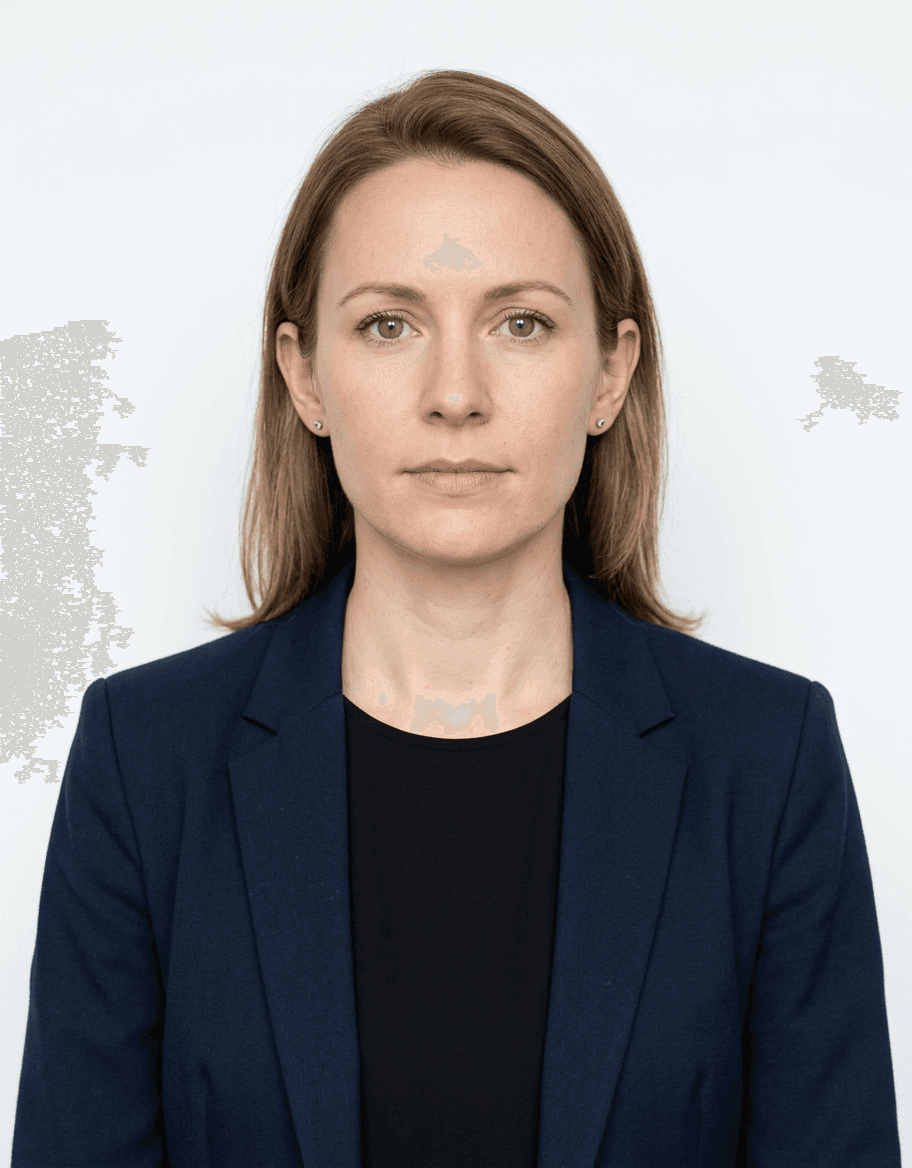
Achieving strict compliance for a foto passaporto icao requires precision and attention to the international biometric standards mandated by the International Civil Aviation Organization. Understanding these technical requirements ensures your italian passport photos are accepted without bureaucratic delays, as any deviation from the established pixel dimensions, background consistency, or facial expression guidelines can lead to an immediate rejection of your application.
Quick Summary {#quick-summary}
ICAO-compliant passport photos are standardized biometric images designed for automated facial recognition systems. They require a neutral expression, specific lighting, and precise dimensions to ensure international travel document validity.
- Dimensions must be 35mm x 45mm with a high-resolution print.
- Background must be a solid, uniform, light-colored (usually white or off-white) surface.
- Face must be centered with a neutral expression and no obstructions.
- Lighting should be even, avoiding shadows on the face or background.
Table of Contents {#table-of-contents}
- Foundational ICAO Standards
- Italian Passport Photo Specifications
- Technical Requirements for Digital and Print
- Common Compliance Pitfalls
- Practical Tips for Success
- FAQ
- Recommended Reads

Foundational ICAO Standards {#foundational-icao-standards}
The International Civil Aviation Organization (ICAO) sets the global benchmark for travel documents, primarily through Document 9303. These guidelines ensure that facial recognition software can reliably map biometric points on an individual's face regardless of the country of issuance. When you prepare an italy passport photo, you are essentially providing the raw data for a biometric identity verification process that is used by border control agencies worldwide.
At the core of these standards is the concept of "Machine Readable Zones" and biometric accuracy. The ICAO requires that the face be clearly visible, unobstructed by accessories, and presented in a way that minimizes contrast issues or digital artifacts. Adherence to these standards is not merely a formality; it is a fundamental technical requirement for the integrity of digital passports globally.
Italian Passport Photo Specifications {#italian-passport-photo-specifications}
For residents of Italy, the italian passport photo specifications demand a high level of uniformity. The photograph must capture the subject from a frontal position, with both ears visible and eyes looking directly into the camera lens. The photo must be printed on high-quality photographic paper, maintaining a sharp focus and natural skin tones without any digital manipulation or retouching that could alter the subject's appearance.
Proper framing is crucial. In the standard 35mm x 45mm format, the head should occupy between 70% and 80% of the total vertical height of the image. The distance from the chin to the top of the head must fall within this specific range to allow for proper biometric cropping. To see examples of how these proportions look in practice, you can review the official guidance on passport photo requirements to ensure your composition is spot on.
Technical Requirements for Digital and Print {#technical-requirements-for-digital-and-print}
Whether you are applying for a physical or digital document, the technical parameters remain stringent. Lighting must be balanced - typically using diffused light - to prevent harsh shadows from appearing behind the subject or on the sides of the face. Using a reliable online passport photo preparation tool can help verify that your image meets the necessary resolution and file format standards required by authorities.
Color balance is equally critical. The photo must be in true color, with no filters or sepia effects. When printing, the paper surface must be matte or semi-gloss, as high-gloss prints can create reflections that interfere with the scanning process at airport gates. Furthermore, if you are capturing a photo for a minor, ensure the composition remains compliant with the us baby passport photo standards, which often serve as a global baseline for child facial positioning.
Common Compliance Pitfalls {#common-compliance-pitfalls}
The most frequent cause of rejection is an "unnatural expression." Many applicants instinctively smile, which distorts the mouth and cheeks, potentially confusing automated facial recognition algorithms. A neutral expression is mandatory - mouth closed, eyes open and clearly visible. Any hair covering the eyes or heavy shadows cast by glasses or hair are grounds for automatic disqualification.
Another significant issue is background contrast. The ICAO requires a plain, uniform background. Busy patterns, dark walls, or visible objects behind the subject create noise that prevents software from identifying the edges of the face. If you encounter any technical difficulties during your submission process, it is wise to consult the official contact page for further assistance or clarification on local submission protocols.
Practical Tips for Success {#practical-tips-for-success}
To ensure your submission is successful, treat the photography session as a professional task. Position yourself exactly 1.5 to 2 meters away from the camera lens to minimize facial distortion caused by wide-angle lenses found on most smartphones. Use a wall that is perfectly flat and painted in a light, neutral color.
Pro Tip: If you wear glasses, check for reflections on the lenses. In many cases, it is safer to remove them entirely to avoid rejection due to glare, even if you wear them daily, provided that your facial features remain clearly identifiable.
Ensure that you avoid any "red-eye" effect, which is caused by the light source reflecting off the back of the retina. Using indirect, bounced flash or natural window light is generally superior to direct camera flash. By taking these steps, you minimize the risk of your application being returned, saving you both time and potential administrative fees.
FAQ {#faq}
- Can I wear glasses in my passport photo? While permitted, it is generally discouraged because reflections on the lenses often lead to rejection. If you must wear them, ensure no glare is visible.
- What is the correct background color? ICAO standards require a plain, uniform light-colored background, typically white or off-white, with no shadows.
- Why was my photo rejected for expression? Facial recognition requires a neutral expression. Smiling, frowning, or raising eyebrows can alter the biometric landmarks of your face.
- How large should my face be in the photo? The head should take up between 70% and 80% of the image's vertical height, measured from the chin to the top of the hair.