How to Ensure Your Passport Photo Meets Official Requirements in 2026
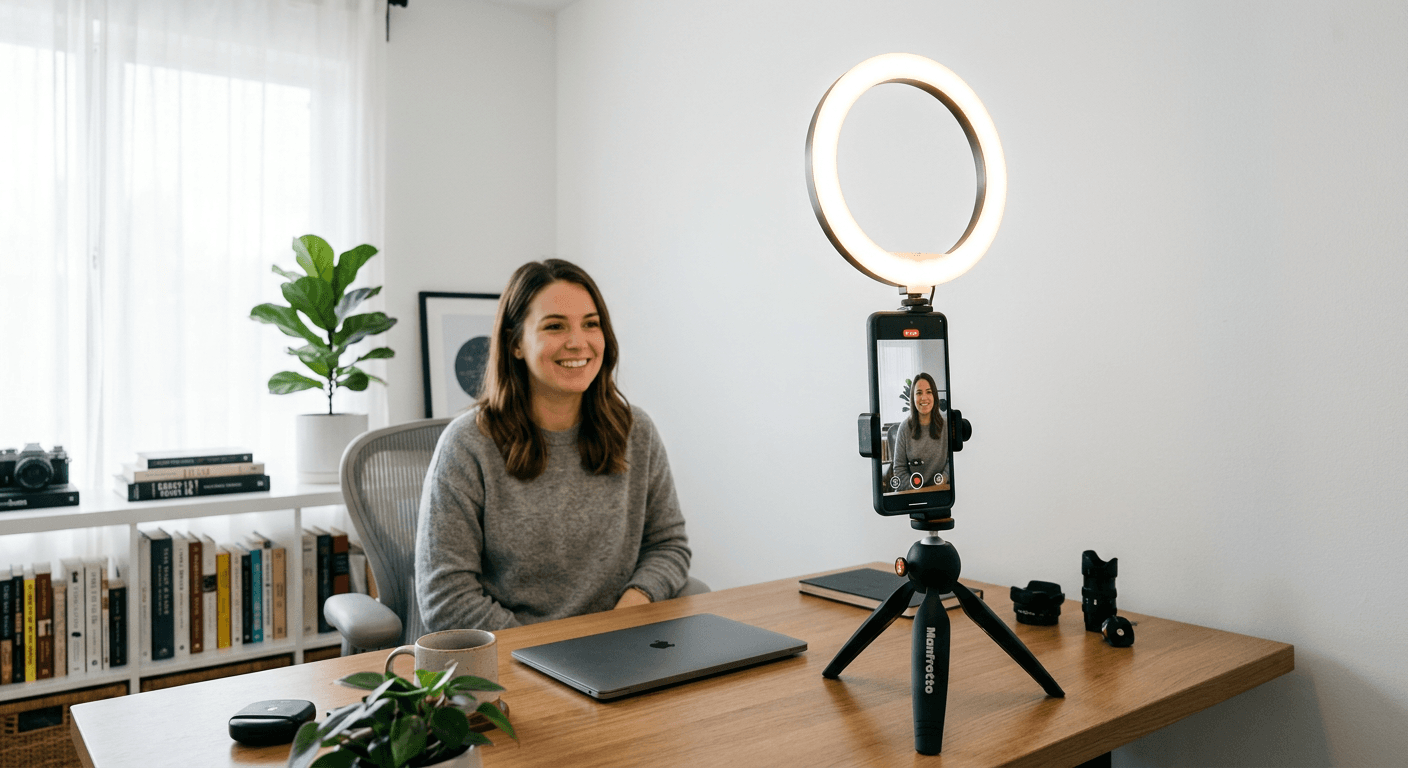
Capturing a compliant biometric image can be a significant hurdle for travelers, yet understanding how to ensure your photo for the passport meets all stringent government criteria is essential for a smooth application process. While official guidelines regarding lighting, expression, and head-size are rigid, modern digital tools have revolutionized the way applicants prepare their documents at home. By leveraging advanced software, you can now bypass traditional studio queues while ensuring your image passes biometric validation standards.
Quick Summary {#quick-summary}
Achieving a compliant passport photo requires precise lighting, a neutral background, and strict adherence to geometric head-size ratios. Modern digital photo tools simplify this by automating background removal and alignment, ensuring your submission meets the specific biometric regulations required for successful international travel and identification applications.
- Ensure even, shadow-free lighting on the face.
- Maintain a neutral, closed-mouth facial expression.
- Verify background uniformity and color.
- Use digital tools to calibrate exact biometric dimensions.
Table of Contents {#table-of-contents}
- Quick Summary
- Comparison Table of Passport Photo Tool Categories
- Professional Studio Services
- Automated AI-Powered Web Platforms
- Dedicated Mobile Applications
- Manual Editing Software
- Essential Criteria for Selecting Your Tool
- FAQ
- Recommended Reads
Comparison Table of Passport Photo Tool Categories {#comparison-table-of-passport-photo-tool-categories}
| Category | Key Features | Pros | Cons | Best For |
|---|---|---|---|---|
| Professional Studios | Manual lighting, expert oversight | Highest physical quality, guaranteed | Expensive, time-consuming | Complex visa applications |
| AI Web Platforms | Automated compliance checks | Fast, affordable, high success rate | Requires basic tech literacy | Busy families and travelers |
| Mobile Apps | Portable, quick, on-the-go | Convenience, instant results | Varying image resolution | Quick digital uploads |
| Manual Editors | Full creative control | Free or low cost, high precision | Steeper learning curve | Experienced photo editors |
Professional Studio Services {#professional-studio-services}
Professional photography studios remain the gold standard for those who require absolute assurance for high-stakes documentation. These professionals are trained to manipulate lighting to eliminate shadows on the face, which is a frequent cause of rejection in automated systems. When considering how to ensure your passport photo meets requirements, visiting a studio provides peace of mind that every technical nuance is handled by an expert.
- Pros: Minimized risk of rejection; expert handling of lighting and framing.
- Cons: High cost; physical travel required; potentially long wait times.
Automated AI-Powered Web Platforms {#automated-ai-powered-web-platforms}
AI-powered web platforms have emerged as a dominant solution for modern applicants, particularly those dealing with the unique challenges of capturing infant passport photos. These platforms utilize advanced image processing to perform dozens of biometric checks simultaneously, such as verifying the distance between eyes and the chin-to-crown ratio. By automating background segmentation, they eliminate the most common manual errors made by amateur photographers.
- Pros: Instant feedback on compliance; highly cost-effective; accessible 24/7.
- Cons: Dependent on the original quality of the smartphone photo provided.
Dedicated Mobile Applications {#dedicated-mobile-applications}
Mobile applications are ideal for users who need a fast, portable solution for digital passport photo generation. These tools allow you to use your smartphone’s high-resolution camera to snap a photo, process it, and either download the file for online applications or generate a print-ready template for local printing kiosks. They are particularly useful for families managing multiple applications on the go.
- Pros: Extreme portability; integrates directly with smartphone photo libraries.
- Cons: Smaller screens can make manual alignment harder than on a desktop; camera quality varies significantly between devices.
Manual Editing Software {#manual-editing-software}
For those with existing photography experience, manual editing software provides full control over color correction, exposure, and crop dimensions. This approach is beneficial when you need an example of a passport photo that complies with specific, niche requirements for less common international travel documents. However, this method requires a thorough understanding of the government-mandated dimensions to avoid common errors.
- Pros: Maximum control; no subscription fees if software is already owned.
- Cons: Time-consuming; requires manual verification which increases the risk of human error.
Essential Criteria for Selecting Your Tool {#essential-criteria-for-selecting-your-tool}
Selecting the right tool depends on your technical comfort level and the urgency of your travel requirements. First, prioritize tools that offer automated biometric verification, as this is the single most effective way to avoid government rejection. Ensure the tool supports the specific dimensions of the country you are applying for, as standards differ significantly between regions.
Finally, assess the convenience of the output format. Whether you need a digital file for an online application or a print-ready layout for a kiosk, the platform should accommodate your specific delivery method. Always verify if the tool provides a refund policy, which can serve as a safety net if your local authority has unexpected or non-standard requirements for your visa application.
FAQ {#faq}
- What is the most common reason for passport photo rejection? The most common reasons are uneven lighting causing shadows on the face, incorrect head size, or an incorrect background color, which is usually required to be plain white or off-white.
- Can I take a passport photo with my phone? Yes, provided your smartphone camera has high resolution and you use a tool to ensure the image meets your country's specific biometric guidelines.
- How does AI help in creating passport photos? AI software automates the cropping, background removal, and verification processes, checking hundreds of biometric data points to ensure the final image meets official standards.