Guida alle Misure Foto Passaporto: Standard Italiani e Internazionali
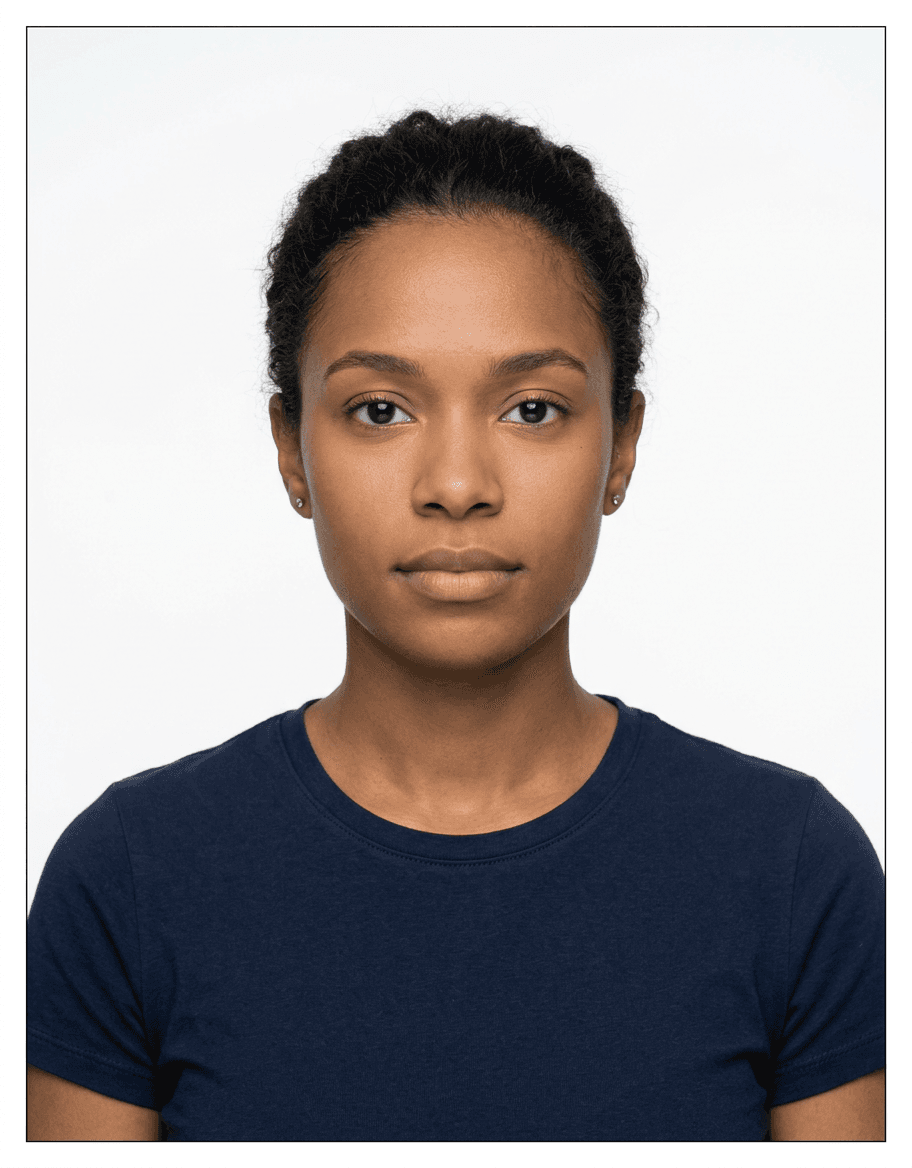
Obtaining the correct misura foto passaporto is a foundational step in the travel documentation process. Whether you are applying for a new document or renewing an existing one, adhering to strict technical specifications is non-negotiable. Officials require precise dimensions to ensure that facial recognition software and biometric data collection processes function without error. This guide provides a comprehensive breakdown of the standards required for a successful passport application.
Quick Summary {#quick-summary}
The standard Italian passport photo size is 35mm wide by 45mm high, with the head occupying 70-80% of the vertical space. Consistent lighting, a white background, and a neutral expression are mandatory to meet bureaucratic requirements for identity verification.
- Precise 35x45mm dimensions.
- Neutral facial expression without smiling.
- Clear, high-resolution color images.
- Uniform, light-colored background required.
Table of Contents {#table-of-contents}
- Standard Dimensions and Layout
- Quality and Resolution Requirements
- Pose and Expression Standards
- Lighting and Background Guidelines
- Attire and Accessories Restrictions
- Digital vs. Physical Print Standards
- Common Mistakes to Avoid
- FAQ
- Recommended Reads

Standard Dimensions and Layout {#standard-dimensions-and-layout}
For any italian passport photo size request, the primary requirement is the 35mm by 45mm format. This ratio is specific to the ICAO (International Civil Aviation Organization) standards adopted by Italy. The head must be positioned centrally, measuring between 32mm and 36mm from the chin to the crown of the head. Failure to meet these specific millimeter requirements is the most common reason for application rejection.
Why It Matters / Real-World Impact
When you submit a photo that deviates from these measurements, automated scanning systems used by the Questura or consulates will flag the document as non-compliant. This results in processing delays or the outright rejection of your file, forcing you to start the application process over and incur additional costs for new prints. If you need assistance adjusting your images, you can consult our detailed help resources to ensure full compliance.
Quality and Resolution Requirements {#quality-and-resolution-requirements}
The image must be sharp, in focus, and possess a high-quality finish. While digital files are increasingly common, they must maintain a high resolution, typically at least 300 DPI (dots per inch) to prevent pixelation when printed. Grainy, blurry, or low-contrast photos are unacceptable as they impede the accuracy of facial recognition algorithms.
Why It Matters / Real-World Impact
Low-resolution images obscure essential facial features like the texture of the skin or the precise shape of the eyes. Biometric authentication relies on these subtle markers to confirm identity. If the file quality is poor, the software may be unable to map your unique features, leading to security concerns during border control checks. You can learn more about proper preparation on our about page to avoid these common technical pitfalls.
Pose and Expression Standards {#pose-and-expression-standards}
The subject must face the camera directly, with both ears visible and the gaze focused straight ahead. The facial expression must be completely neutral: no smiling, no frowning, and the mouth must be closed. Even a subtle smirk can alter the geometry of the face enough to interfere with identity matching.
Why It Matters / Real-World Impact
Biometric systems map the distance between anatomical landmarks like the eyes, nose, and mouth. A smile distorts these measurements. By maintaining a neutral expression, you ensure the integrity of the biometric scan, which is crucial for modern electronic passports. Maintaining this standard is a critical part of the passport photo preparation process.
Lighting and Background Guidelines {#lighting-and-background-guidelines}
The background for foto passaporto italiano dimensioni must be a uniform, light, neutral color—preferably plain white or off-white. There should be no shadows cast on the background or on the subject’s face. Natural, even lighting is preferred over harsh studio flashes that cause hot spots or glare.
Why It Matters / Real-World Impact
Shadows can create "false features" that confuse image-processing software. For example, a shadow on one side of the face might be misinterpreted as a facial contour or a scar, potentially causing the software to flag the image as fraudulent. Proper, flat lighting is the only way to ensure the image remains usable for long-term document validity.
Attire and Accessories Restrictions {#attire-and-accessories-restrictions}
Headwear is generally forbidden unless worn for specific religious reasons. Even then, the face from the chin to the forehead must be fully visible. Eyeglasses are discouraged, and if worn, they must not have tinted lenses or thick frames that cover the eyes. There should be no reflections on the lenses.
Why It Matters / Real-World Impact
Accessories are often seen as obstacles that hide key biometric identifiers. If your glasses create a glare, the eyes—a primary biometric anchor point—become impossible to scan. Simplifying your appearance for the photo ensures that the focus remains entirely on your biometric data, accelerating the approval process.
Digital vs. Physical Print Standards {#digital-vs-physical-print-standards}
Whether you are submitting a physical print or a digital upload, the underlying data must follow the same strict rules. For physical prints, use high-quality photo paper with a matte or semi-gloss finish. Do not use inkjet prints that are susceptible to smudging or color bleeding over time.
Why It Matters / Real-World Impact
Physical photos must withstand years of storage within a passport booklet. Low-quality paper may deteriorate or lose color fidelity, making it difficult to verify your identity years after the photo was taken. By investing in professional-grade printing, you ensure the longevity of your travel document.
Common Mistakes to Avoid {#common-mistakes-to-avoid}
Common errors include cropping the photo too tightly or leaving too much empty space above the head. Another frequent error is using a selfie, which often suffers from lens distortion (making the nose appear larger) and uneven lighting. Always use a camera mounted on a tripod at eye level rather than holding one by hand.
Why It Matters / Real-World Impact
Selfies often lack the flat perspective required for biometric accuracy. When you hold a phone near your face, the wide-angle lens distorts your features. This mathematical shift in facial dimensions is enough to trigger a rejection from government systems, causing significant frustration for travelers who need their documents urgently.
FAQ {#faq}
- Can I wear glasses in my Italian passport photo? It is strongly recommended to remove them. If you must wear them for medical reasons, ensure there is absolutely no reflection on the lenses and the frame does not obstruct your eyes.
- Does the background have to be pure white? Yes, it must be a light, solid, and uniform color, with white being the standard requirement for all Italian documentation.
- How long does a passport photo remain valid? Generally, the photo must be current and taken within the last six months to ensure it accurately represents your present appearance.