Guida alle misure e al formato foto passaporto ideale
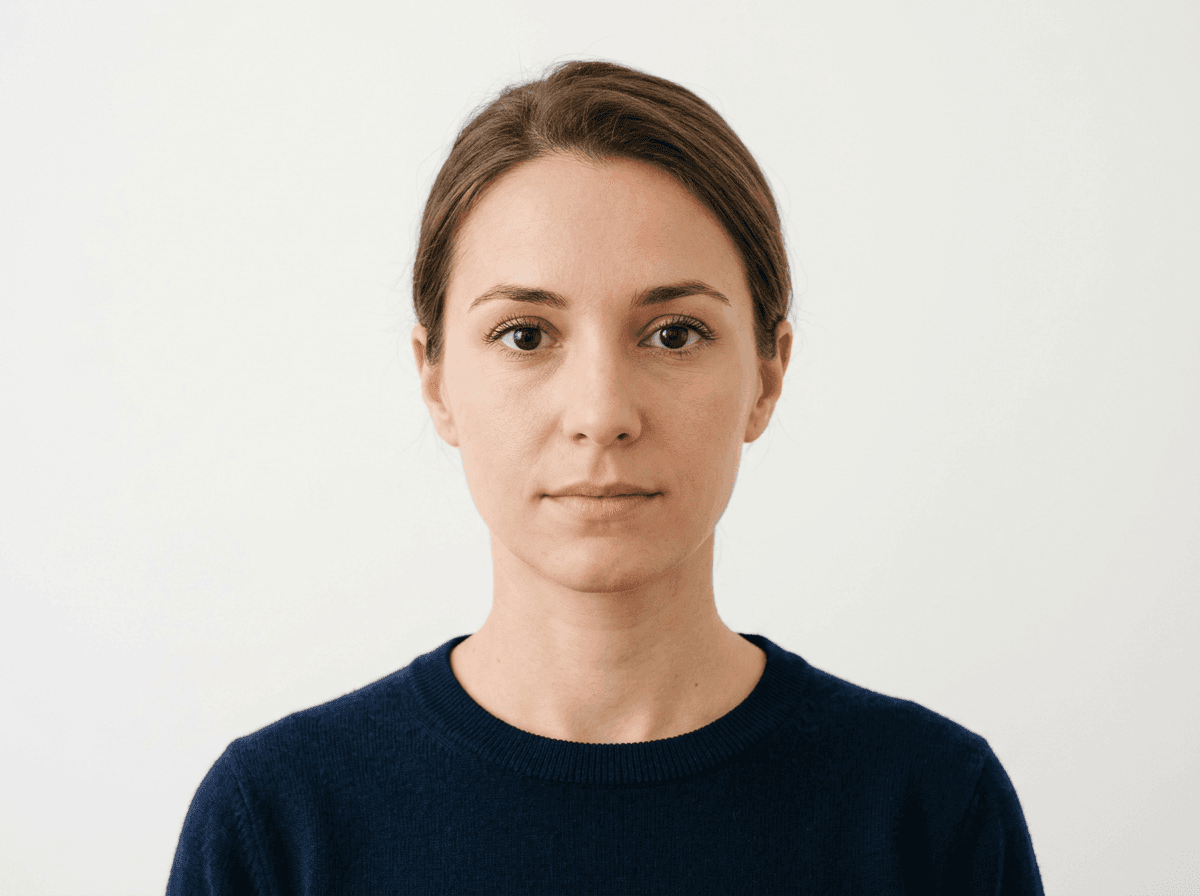
Capturing the correct misura foto passaporto is a critical step in ensuring your travel documentation is processed without delay. Failing to meet specific government standards regarding lighting, head positioning, and print dimensions is one of the most common reasons for application rejection, turning a simple administrative task into a multi-week ordeal.
Quick Summary {#quick-summary}
The standard formato foto passaporto requires a high-resolution, recent portrait set against a uniform light-colored background, strictly adhering to specific pixel or centimeter dimensions defined by your country of residence. Compliance prevents identity verification failures and expedites passport issuance.
- Uniform, light-colored background (usually white or off-white).
- Strict head-to-frame ratio (typically 70-80% of the image height).
- Neutral facial expression with eyes open and mouth closed.
- High-quality, high-resolution digital or printed format.
Table of Contents {#table-of-contents}
- Understanding Passport Photo Dimensions
- Standardizing Your Passport Photo Format
- Technical Requirements and Image Quality
- Common Pitfalls in Passport Photo Compliance
- Tips for Capturing High-Quality Portraits
- FAQ
- Recommended Reads
Understanding Passport Photo Dimensions {#understanding-passport-photo-dimensions}
When evaluating the correct misura foto passaporto, it is vital to recognize that requirements vary significantly by jurisdiction. While many nations follow the standard 35mm x 45mm size, others, such as the United States, mandate a 2x2 inch (approx. 51mm x 51mm) format. Understanding these nuances is essential before you begin your passport photo maker guide process to ensure your final output is acceptable to immigration authorities.
The dimensions are not merely about the physical size of the paper; they also encompass the relative position of the head within that frame. Most regulatory bodies require the subject's head to measure between 25mm and 35mm from the bottom of the chin to the crown of the head. Miscalculating these proportions can result in an automatic rejection by automated facial recognition systems used at modern border crossings.
Standardizing Your Passport Photo Format {#standardizing-your-passport-photo-format}
The overall formato foto passaporto is strictly regulated to ensure consistency across digital and physical databases. Beyond the basic width and height, you must ensure that your photograph is taken in portrait orientation and that the subject is centered. If you are struggling with specific requirements for different regions, reviewing official resources like the US baby passport photo documentation can provide a clearer picture of how to handle strict framing in challenging scenarios.
Furthermore, the file format for digital uploads is typically JPEG, with specific file size limits, often restricted to under 2MB or 5MB. Converting your image to the correct file format while maintaining the aspect ratio requires careful post-processing. Always verify whether your target country demands a matte or glossy paper finish, as printing on the incorrect medium can lead to glare that obscures facial features during the scanning process.
Technical Requirements and Image Quality {#technical-requirements-and-image-quality}
Beyond simple dimensions foto passaporto, the technical integrity of the image remains paramount. Authorities demand high-resolution images, usually at least 600dpi (dots per inch) for printed submissions. Any blurriness, pixelation, or evidence of digital manipulation - such as changing the background color using software - will often lead to a rejection by biometric scanners.
Lighting is another major factor in achieving high-quality results. Your lighting must be even, with no harsh shadows appearing on the face or against the background. Shadows can interfere with the software's ability to identify your facial landmarks, such as the distance between the eyes or the shape of the nose, which are critical for biometric verification.
Pro Tip: Position your light source directly in front of your face to eliminate side shadows. Avoid using the camera's built-in flash, as it frequently causes the "red-eye" effect and creates bright spots on the skin.
Common Pitfalls in Passport Photo Compliance {#common-pitfalls-in-passport-photo-compliance}
Applicants often fail because they overlook subtle details that appear minor but are strictly enforced. Common errors include wearing glasses that produce glare, wearing head coverings (unless for religious or medical reasons), or failing to maintain a neutral expression. When you need assistance with specific compliance hurdles, you may find it helpful to contact support for guidance on navigating complex criteria.
Another frequent mistake involves the age of the photo. Many government agencies require the photograph to have been taken within the last six months to ensure it accurately reflects your current appearance. Attempting to use an older photo, even if you look similar, can lead to delays or the need for a re-submission upon the passport agency's inspection.
Tips for Capturing High-Quality Portraits {#tips-for-capturing-high-quality-portraits}
To capture a professional-grade image at home, use a tripod to maintain stability and ensure your camera is at eye level. Avoid tilting your head up or down; your face should be parallel to the camera lens. If you are preparing photos for children, such as in UK baby passport photo requirements, ensuring the infant's face is unobstructed and looking towards the lens is the most challenging, yet necessary, aspect of the process.
When dressing for your photo, choose clothing that provides contrast against the background without being overly distracting. Solid, dark-colored shirts are generally the safest choice. Ensure your hair does not obscure your eyes or eyebrows, as clear visibility of these features is a requirement for most international travel documents.
FAQ {#faq}
- Can I use a selfie for my passport photo? While technically possible, it is highly discouraged. Selfies rarely meet the strict focal length and geometric distortion requirements for passport photos. Using a dedicated camera or a tripod-mounted setup is far more reliable.
- What happens if my photo is rejected? You will typically receive a notification from the passport agency requesting a new, compliant photograph. This will delay your application process significantly.
- Should I smile in my passport photo? No, you must maintain a neutral expression with your mouth closed. A wide smile can distort facial features and interfere with biometric facial recognition software.
- Do I need to print the photo on specific paper? Yes, if you are submitting a physical application, it must be printed on high-quality photo paper. Most countries prefer matte or semi-matte finishes to minimize glare.