Choosing the Best Foto Passaporto Online Tools for Government-Compliant Documentation in 2026
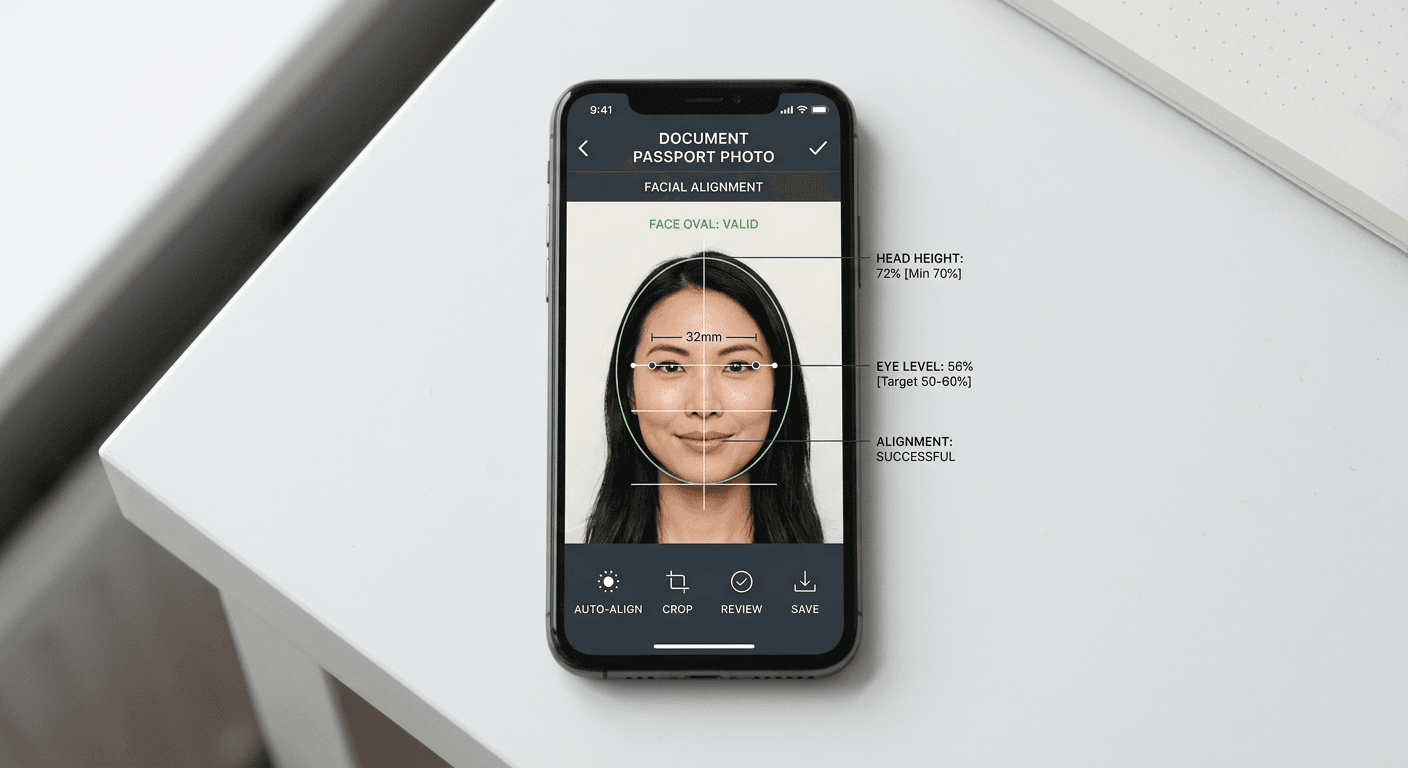
Securing a valid foto passaporto is often the most significant hurdle in the travel documentation process, particularly when dealing with the strict biometric requirements mandated by modern international authorities. Whether you are renewing an adult ID or navigating the complexities of capturing an infant's likeness, using a reliable foto passaporto online generator can streamline what is typically a time-consuming administrative task. These platforms leverage sophisticated algorithms to perform background removal, facial alignment, and head-size calibration, ensuring the final output adheres to specific bureaucratic standards.

Quick Summary {#quick-summary}
Professional photo generators utilize AI-driven image processing to transform amateur smartphone snapshots into government-compliant biometric documents. These tools automate complex technical requirements like lighting correction, background segmentation, and dimension scaling to prevent application rejections caused by substandard photo quality.
- AI-based compliance checks for global standards.
- Instant background removal and lighting correction.
- Compatibility with both digital and physical print formats.
- Cost-effective alternatives to professional studio photography.
Table of Contents {#table-of-contents}
- Quick Summary
- Comparing Photo Generation Methods
- AI-Driven Cloud Platforms
- Retail Printing Kiosks
- Desktop Image Editing Software
- How to Select the Right Tool
- FAQ
- Recommended Reads
Comparing Photo Generation Methods {#comparing-photo-generation-methods}
| Method | Features | Pros | Cons | Best For |
|---|---|---|---|---|
| AI Web Platforms | Automated compliance & cropping | Fast, high accuracy | Requires internet | Families & busy adults |
| Retail Kiosks | Physical printing & capture | Instant hard copies | Limited editing | Last-minute needs |
| Desktop Software | Manual precision control | Total creative control | High learning curve | Photography enthusiasts |
Selecting the correct methodology for creating a fototessere passaporto depends largely on your technical comfort level and your timeline. Cloud-based platforms have become the industry standard due to their ability to provide real-time feedback on biometric compliance, reducing the risk of rejection during the submission phase. For those needing further guidance on specific requirements, consulting a comprehensive passport guide can help clarify regional variations in documentation standards.
AI-Driven Cloud Platforms {#ai-driven-cloud-platforms}
These web-based applications represent the current gold standard for convenience. By uploading a standard smartphone photo, the software uses neural networks to segment the subject from the background and perform geometry analysis. This ensures the eyes, chin, and head size fall precisely within the required pixels, which is vital for biometric scanning.
- Pros: Highly automated, immediate validation, accessible from any device.
- Cons: Dependent on initial photo quality; low-light images may still be rejected.
When using these services, it is critical to follow proper lighting protocols. Natural, front-facing light without harsh shadows is essential for the AI to detect facial features accurately. If you are preparing photos for children, refer to specific resources like the US baby passport photo documentation to understand how to handle posture requirements for infants.
Retail Printing Kiosks {#retail-printing-kiosks}
Retail-based kiosks found in pharmacies and supermarkets provide a tactile solution for those who prefer physical prints over digital files. These units are often equipped with calibrated cameras and specific software designed to align the head within the frame. While they remove the need for manual cropping, they lack the sophisticated post-processing found in advanced AI platforms.
- Pros: Immediate physical printout, helpful in-store staff.
- Cons: Fixed locations require travel, potential for long queues, inconsistent lighting quality.
These kiosks are reliable for standard documentation but may struggle with non-standard requests or specific visa requirements that differ from domestic passport rules. Before heading to a store, verify their ability to support the dimensions required for your specific travel document.
Desktop Image Editing Software {#desktop-image-editing-software}
For power users, desktop image editing software provides total control over every aspect of the photo, from color balance to pixel-perfect cropping. This is the preferred route for individuals who are skilled in digital photography and wish to avoid third-party service fees entirely.
- Pros: Professional-grade tools, offline capability, no recurring fees.
- Cons: Steep learning curve, requires a firm understanding of specific government biometric standards.
Attempting this manually carries the highest risk of error. If you choose this path, ensure you are referencing the official government handbook for the target country. You can find essential advice on biometric standards to ensure your manual edits remain compliant with current regulations.
How to Select the Right Tool {#how-to-select-the-right-tool}
When evaluating which tool to use, prioritize platforms that offer clear error messages regarding compliance. A tool that simply crops an image is rarely sufficient; you need a system that checks for illumination, background color, and facial expression. Government agencies are increasingly using automated systems for document processing, meaning any deviation from the standard will trigger an automatic rejection.
Furthermore, consider the flexibility of the output. Does the tool provide a print-ready file formatted for standard 4x6 paper? This is often more economical than buying individual prints. For families, the ability to process multiple photos simultaneously is a significant time-saver, particularly when managing requirements for Canadian passport photos or other stringent jurisdictions.
FAQ {#faq}
- Can I take a passport photo with my phone? Yes, provided you have good lighting, a neutral background, and software to ensure your photo meets the precise biometric dimensions required.
- What is the most common reason for photo rejection? Improper lighting creating shadows on the face or background, and incorrect head-size positioning relative to the photo frame.
- Do I need a professional photographer for a visa application? Not necessarily; many online AI tools are now certified to meet the same biometric standards as traditional studios.