5 Rules for Your Foto Passaporto Trucco: The 2026 Biometric Grooming Guide
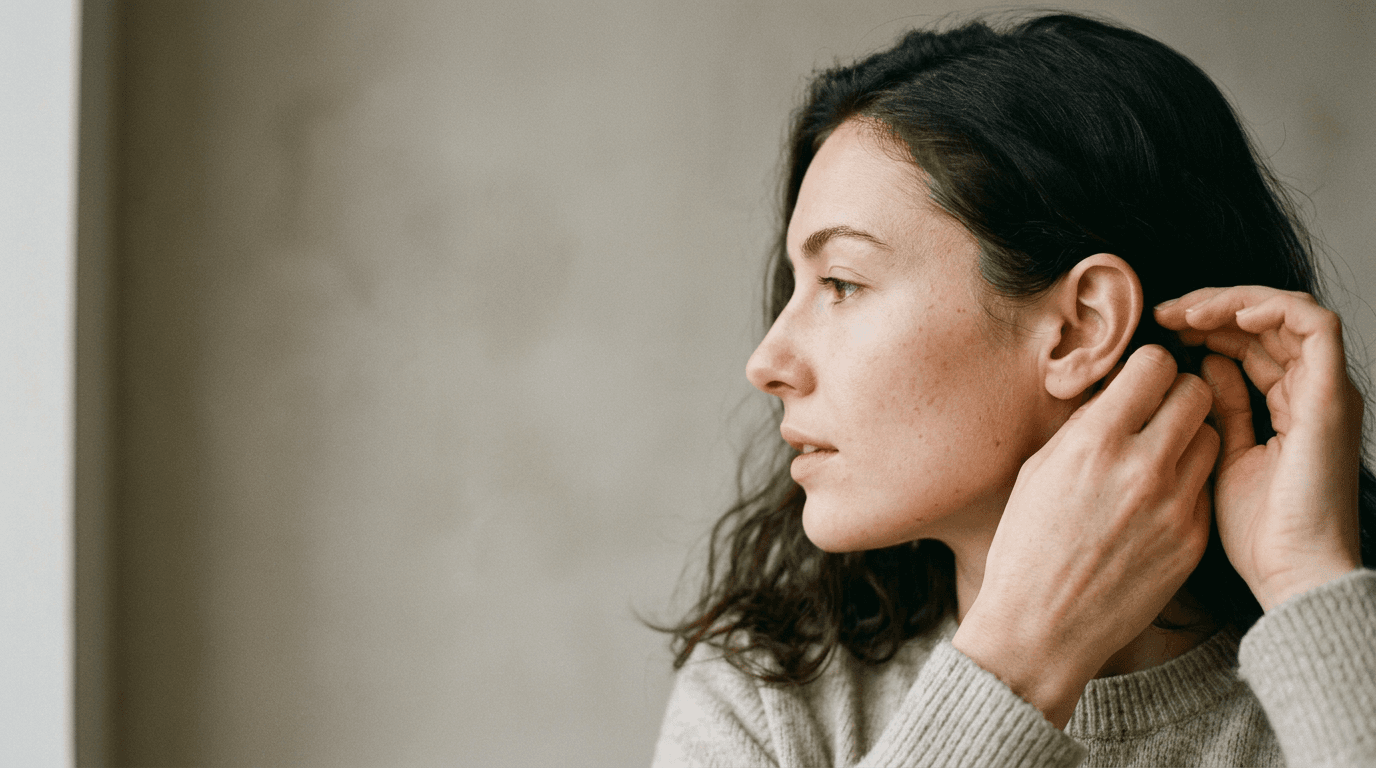
A biometric scanner does not care if you look rested; it only cares about the distance between your pupils, the depth of your eye sockets, and the strict geometry of your jawline. When an applicant applies heavy concealer and sharp contouring to look their best, the security algorithm registers those artificial shadows as altered facial bone structure. This mismatch triggers an immediate rejection, either at the passport application stage or later at an automated border gate. Getting your foto passaporto trucco right means understanding exactly what the software sees, rather than what the camera captures. You must prioritize facial map accuracy over conventional aesthetic techniques to secure your travel documents.
Quick Summary
Preparing your foto passaporto trucco correctly requires abandoning standard aesthetic makeup techniques to preserve your exact facial geometry. A successful application relies on avoiding products that alter your natural skin tone, introduce artificial shadows, or reflect the high-intensity lighting used by biometric passport cameras.
- Matte finish foundation prevents glare-induced automated rejections.
- Contouring alters digital facial geometry and must be entirely skipped.
- Hair must clear the eyebrows, cheekbones, and jawline to expose facial margins.
- Lip and eye colors should exactly match your natural features to maintain accurate biometric measurements.
Table of Contents
- Why your foto passaporto trucco dictates biometric approval
- 1. Eliminate reflective formulas and physical sunscreens
- 2. Match your foundation strictly to your neck
- 3. Remove all contouring to preserve true facial geometry
- 4. Anchor hair away from the facial margins
- 5. Keep eye makeup confined to the natural lash line
- Common Pitfalls & Troubleshooting
- FAQ
- Recommended Reads
Why your foto passaporto trucco dictates biometric approval
Modern border control relies almost entirely on automated e-gates and facial recognition software, fundamentally changing how identification photos are processed. In the past, a human border agent would look at your physical passport and visually confirm that the picture resembled you. Today, an infrared scanner projects an invisible grid onto your face as you walk through a checkpoint, measuring the exact topographical distances between your nodal points. These points include the bridge of your nose, the contour of your cheekbones, and the distance between your eyes.
When your foto passaporto trucco includes heavy makeup designed to change the shape of your face, you are actively feeding the algorithm false data. If the digital profile encoded on your passport's microchip says your nose is a specific width - because you contoured it to look slimmer in the photo - the live scanner at the airport will fail to match that data against your bare, physical face. The system assumes you are carrying a fraudulent document and locks the gate. Understanding the strict mechanical limitations of these biometric scanners is the only way to ensure your grooming routine does not compromise your global mobility. You are not preparing for a portrait; you are submitting an anatomical record.
1. Eliminate reflective formulas and physical sunscreens
Biometric cameras use high-intensity, flat lighting to illuminate the face evenly and eliminate natural shadows. When you wear makeup or skincare containing reflective ingredients, that flash bounces back into the lens, causing digital overexposure. Sunscreen containing physical blockers like zinc oxide or titanium dioxide acts as a microscopic mirror on your skin. To the naked eye, your daily moisturizer looks perfectly clear. To the digital sensor processing your image, those minerals create a stark white cast known as flashback.
This flashback destroys the algorithm’s ability to map the exact depth of your eye sockets and the bridge of your nose. Border control software requires a sharp, continuous distinction between your skin and the background behind you. When reflective formulas cause your facial margins to glow or blur, the software registers an incomplete facial boundary and immediately rejects the application.
Applicants constantly make a specific mistake. They complete their normal skincare routine directly before heading to the photo studio. They apply a high-SPF moisturizer. They assume it will protect their skin during the day. They entirely forget how it reacts under studio lights. If you are preparing for official travel documents, you must wash your face completely. Apply only a lightweight, chemical-based moisturizer without any sun protection factor. If you need to check the specific size, background, and head-size requirements for US travel, ensure your bare skin meets the baseline visual criteria first.
2. Match your foundation strictly to your neck
Facial recognition algorithms rely heavily on continuous skin coloration to confirm the image is an untampered, genuine photograph. When you apply foundation that is even slightly warmer or darker than your natural neck color, the camera captures a sharp line of demarcation along your jaw. To human eyes, this looks like a minor makeup mismatch. To the security software, a sudden shift in pixel color at the jawline mimics the digital artifacts left behind by image manipulation or masking.
When submitting a foto per carta d'identità elettronica, the algorithm scans for these continuous skin tones to establish your baseline biometric profile. If the face registers as a separate, darker entity from the neck and chest, the system flags the image for manual review or outright rejection. Furthermore, heavy foundation is often used to conceal blemishes, but applying it over permanent identifying marks like moles or scars technically violates biometric standards. You are altering the permanent map of your face.
The most frequent mistake is using a bronzer or a summer foundation shade to artificially warm up a pale complexion. Applicants want to look healthy, so they darken the face while leaving the neck bare.
Practical rule: Apply your foundation in direct sunlight and photograph yourself with the flash turned on before you leave the house; if your face registers lighter or darker than your collarbone, you must adjust the base immediately.
If you are reviewing the formatting photos to specific biometric standards required by the UK, remember that accurate color representation is a strict baseline requirement across all jurisdictions.
3. Remove all contouring to preserve true facial geometry
Security software does not view your face as a flat picture; it reads the image as a topographical map. It calculates the exact distance between the tip of your nose and your cheekbones by measuring the natural shadows cast by flat, front-facing light. When you apply contouring powder or cream to define your cheekbones or slim your nose, you are painting artificial shadows onto that map.

Providing a valid foto per passaporto elettronico means submitting an unmodified record of your bone structure. If you paint a shadow down the side of your nose to make it appear narrower, the algorithm reads that darker pigment as a physical recession in the bone. It records a completely different nasal structure than you actually possess. When you later stand at an automated border control gate, the infrared cameras will read your real face, compare it to the artificial geometry stored on your digital chip, and fail to find a match.
The error most people make here is applying their daily makeup routine out of pure habit. They automatically reach for a taupe contouring powder to carve out their jawline, treating the document photo like a standard portrait. You must entirely skip this step. Use a single, flat shade of foundation across the entire face. For those referencing the official specifications for global travel documents, note that altered facial geometry from heavy makeup is a leading cause of automated gate failure.
4. Anchor hair away from the facial margins
While grooming is often associated with makeup, hair placement is the single most critical physical adjustment you must make for biometric compliance. The algorithm requires a complete view of your facial margins - the exact outer boundary where your cheeks and jawline meet the background. This margin determines the overall width of your face, which is a primary anchor point for all other biometric calculations.
Leaving hair down around the face obscures these margins. Even wispy, face-framing pieces cast thin shadows across the cheekbones, which the software interprets as structural anomalies. The system must clearly identify the edges of your face to run its automated checks for head-size calibration correctly. If a lock of hair covers the corner of your jaw, the algorithm cannot calculate the correct head height-to-width ratio.
The mistake applicants make is pulling their hair back loosely, leaving bangs or side pieces hanging down to soften their appearance. This fails the strict visibility test. You must pull every strand of hair completely behind your ears. If you have a fringe, pin it back flat against your crown so your eyebrows remain entirely visible. The goal is to expose the entire perimeter of your face, prioritizing structural data over styling.
5. Keep eye makeup confined to the natural lash line
The exact distance between the center of your left pupil and the center of your right pupil is the foundational measurement of your biometric profile. Every other measurement - the distance to your chin, the width of your mouth, the length of your nose - is scaled against that initial pupil-to-pupil line. Consequently, the software must accurately detect the precise corners of your eyes to establish these anchor points.
Applying winged eyeliner, heavy smokey eyeshadow, or thick false eyelashes extends the visual boundary of your eye outward. The software reads that dark pigment as the physical corner of your eye, throwing off the proportions of the entire facial map. Applicants frequently ask about their foto per passaporto dove farle when trying to control the harsh lighting that ruins their heavy eye makeup, but the real issue is the makeup itself, not the studio.
The most common mistake is applying a thick band of black eyeliner along the upper lid. This creates a dark shelf that casts a shadow over the iris, making the eye appear half-closed to the scanner. Limit yourself to a single, thin coat of mascara. When reviewing materials addressing smartphone usage and photography techniques, you will find that a clean, bare eyelid always yields the highest pass rate for digital validation.
Common Pitfalls & Troubleshooting
When an automated verification system rejects your photo, it rarely tells you exactly which product caused the failure. A generic "uneven lighting or shadows detected" error is the most common automated rejection, and it masks several entirely different cosmetic failures. Here is how to diagnose and fix the specific cause.
The high-contrast flashback failure
If the software flags lighting contrast but your face looks pale or washed out in the test shot, you are suffering from flashback. The camera flash is reacting with silica or titanium dioxide in your sunscreen or setting powder, creating false highlights that the software reads as extreme glare. The fix is to remove the reflective product entirely and wash your face; do not attempt to color-correct this with darker makeup.
The structural shadow failure
If the system detects shadows but you used flat, front-facing illumination, your makeup is mimicking a lack of light. Heavy bronzer or blush placed directly under the cheekbones is interpreted by the scanner as a structural recess cast in shadow. This is the most frequent real cause of this error. The fix is to wipe away the contouring powder and replace it with a flat, matte foundation that matches the rest of the skin seamlessly.
The facial margin obstruction
If the lighting error persists and your makeup is completely matte, the issue is physical obstruction. Wispy, face-framing hair pieces cast literal, physical shadows across the cheekbones and jawline that the software registers as lighting anomalies. The fix is to pull every strand of hair completely behind your ears and secure it with pins to expose the true perimeter of your face.
FAQ
Can I wear lip gloss in my biometric photo?
No, high-shine lip products catch the studio flash, creating a white reflection that the algorithm reads as an anomaly or a distorted lip shape. Stick to a matte lip balm that matches your natural lip color perfectly.
Will covering a temporary blemish cause a rejection?
Covering a temporary pimple or scratch is acceptable, as these are not permanent identifying features. However, concealing a permanent mole, birthmark, or scar violates biometric standards and will lead to an invalid application.
Can I wear eyeliner on my waterline?
No, darkening the inner rim of the eye alters the visible size and shape of your eyes. Security scanners rely on these exact measurements to verify your identity, and altering them triggers an automatic rejection.
Does the lighting change how my makeup appears to the scanner?
Yes, the flat, high-intensity flash used in document photography eliminates natural shadows and magnifies any reflective particles in your makeup. This often makes sheer products appear opaque, shiny, and structurally disruptive to the facial map.